 One of the most common questions we hear from aspiring airline pilots is whether it’s possible to study for ATPL exams while working full-time.
For many students, leaving employment to pursue pilot training simply isn’t an option. Between work commitments, family responsibilities, and financial considerations, a flexible training route is often essential.
The good news is that thousands of pilots have successfully completed their ATPL theory studies alongside full-time jobs. While it requires commitment, organisation, and realistic expectations, studying your ATPL theory while working is entirely achievable.
Why Many Students Choose to Study Alongside Work
Not everyone follows a traditional full-time training route. In fact, many ATPL students come from a wide variety of professional backgrounds before beginning their airline careers.
Some students are:
- Changing careers later in life
- Funding their own pilot training
- Building flight hours while employed
- Balancing family commitments
- Transitioning from military aviation
For these students, distance learning provides the flexibility needed to progress towards an airline career without giving up existing employment.
How Much Time Will You Need?
The ATPL syllabus covers 13 theoretical knowledge subjects and represents a significant academic undertaking.
The amount of study time required varies from student to student, but most successful candidates establish a consistent study routine that fits around their existing commitments. The minimum hours of study required for an ATPL theory course is 650 hours.
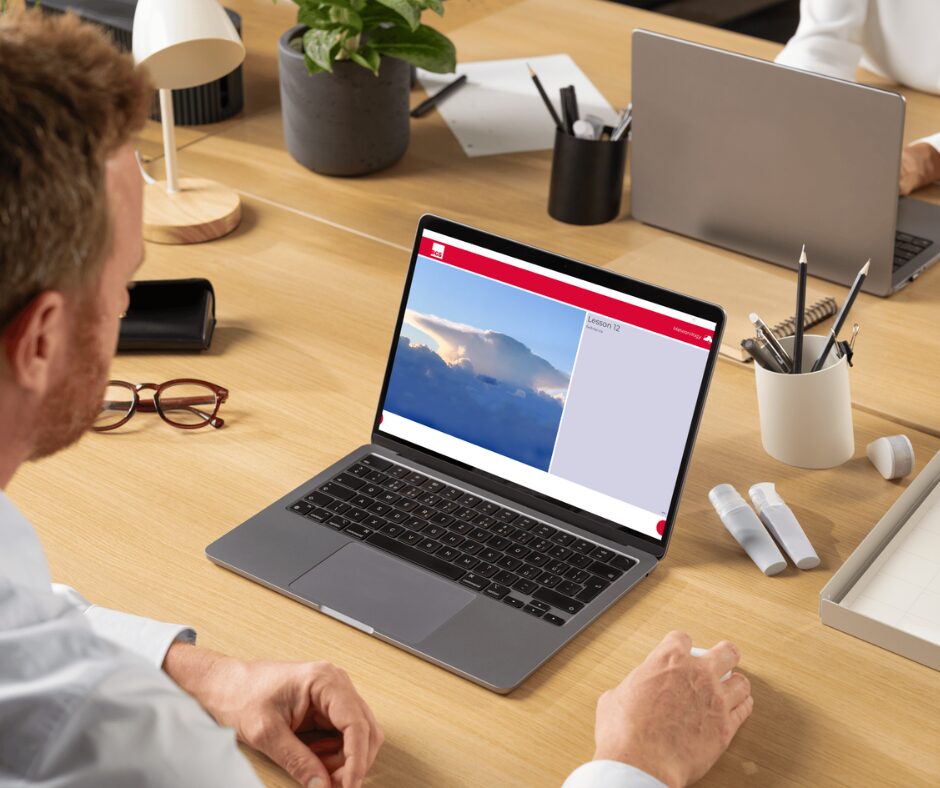
Rather than trying to complete large amounts of study at weekends, many students find greater success by studying regularly throughout the week. Even short periods of focused study can make a significant difference over time.
Consistency is often more important than intensity.
The Challenges of Working and Studying
While studying ATPL alongside full-time employment is achievable, it is important to understand the challenges involved.
Common difficulties include:
Finding Time to Study
After a full working day, finding the motivation to open the books can be difficult. Successful students often schedule study sessions in advance and treat them as non-negotiable commitments.
Managing Workload
Some ATPL subjects, particularly General Navigation, Flight Planning, Principles of Flight and Performance, require more time and concentration than others. Students should be prepared to adjust their study plans during these more demanding phases.
Maintaining Momentum
One of the biggest obstacles can be maintaining progress over several months. Setting realistic goals and celebrating smaller milestones can help students stay motivated throughout the course.
Benefits of Distance Learning
Distance learning has become one of the most popular ways to complete ATPL theory training.
It allows students to:
- Study at their own pace
- Access learning materials from anywhere
- Fit revision around work schedules
- Progress without relocating
- Balance training with personal commitments
This flexibility makes distance learning particularly attractive to career changers and self-funded students.
Tips for Studying ATPL While Working Full-Time
Create a Study Schedule
Having a structured timetable helps ensure consistent progress. Allocating specific study periods during the week can prevent work commitments from continually taking priority.
Set Realistic Expectations
ATPL training is a marathon rather than a sprint. Progress may be slower than for full-time students, but steady advancement is far more sustainable.
Use Question Banks Effectively
Regular question practice helps reinforce knowledge and identify weaker areas before exams. Start practising questions as you study to build on your knowledge.
Stay Flexible
Work commitments may occasionally disrupt study plans. Successful students adapt their schedules when necessary rather than becoming discouraged by temporary setbacks.
Stay Connected
While distance learning can appear isolating, you’re not alone! There are hundreds of other distance learning students in the same position. There are active online communities you can join, from forums, social media groups, and group chats where you can share experiences, feedback and advice with other students in training.
Is Modular Training Better for Working Students?
Many students who work full-time choose the modular route because it offers greater flexibility.
Unlike integrated courses, modular training allows students to progress through their pilot training in stages, often spreading the cost and workload over a longer period.
For those balancing employment, family commitments, or other responsibilities, this can make the journey towards an airline career more manageable.
If you’re still deciding which route is right for you, our guide comparing modular and integrated ATPL training explains the advantages and considerations of each approach.
So, Can You Study ATPL While Working Full-Time?
Absolutely.
Many professional pilots completed their ATPL theory studies while working full-time. Although it requires discipline, organisation, and commitment, distance learning and flexible study options have made airline pilot training more accessible than ever before.
With a realistic study plan and consistent effort, it is entirely possible to make steady progress towards your aviation goals while maintaining full-time employment.
Whether you’re taking your first steps towards a pilot career or considering a career change, studying ATPL alongside work can be an effective and achievable route into commercial aviation.